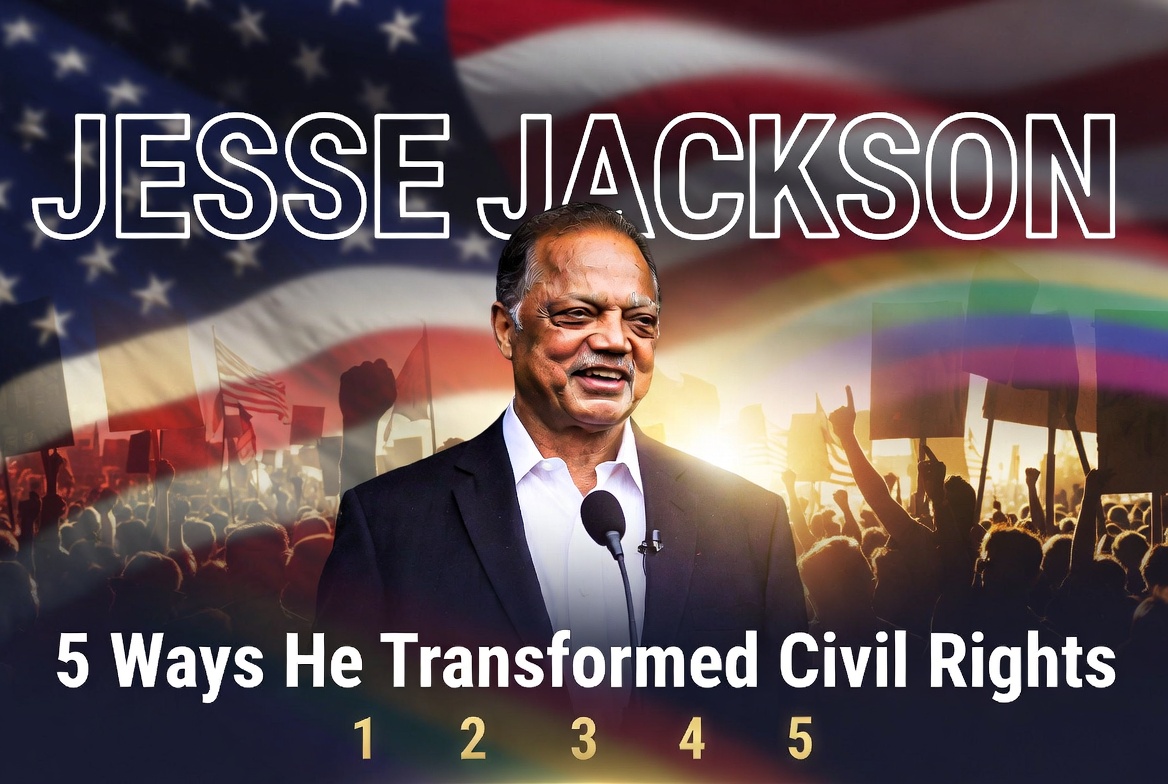
Jesse Jackson: 5 Ways He Transformed Civil Rights
Jesse Jackson The United States has lost one of its most towering moral and political giants. Today February 17 2026 the world mourns the passing of Reverend Jesse Louis Jackson Sr at the age of 84. Jackson who learned from Dr Martin Luther King Jr through his work with Dr King developed his role as the link between the 1960s civil rights movement and contemporary political empowerment. His “quiet intensity” and “rhythmic oratory” transformed American society from his time at church to his presidential speechmaking activities.
To comprehend Jackson’s status as a “Hollywood-level” activist, we need to examine his accomplishments which enabled him to overcome previously described boundary limits. The five methods which he used for his civil rights work created permanent change in American civil rights history.
[Video:- Civil rights icon Rev. Jesse Jackson dies at age 84]
1. Paving the Way for the First Black President
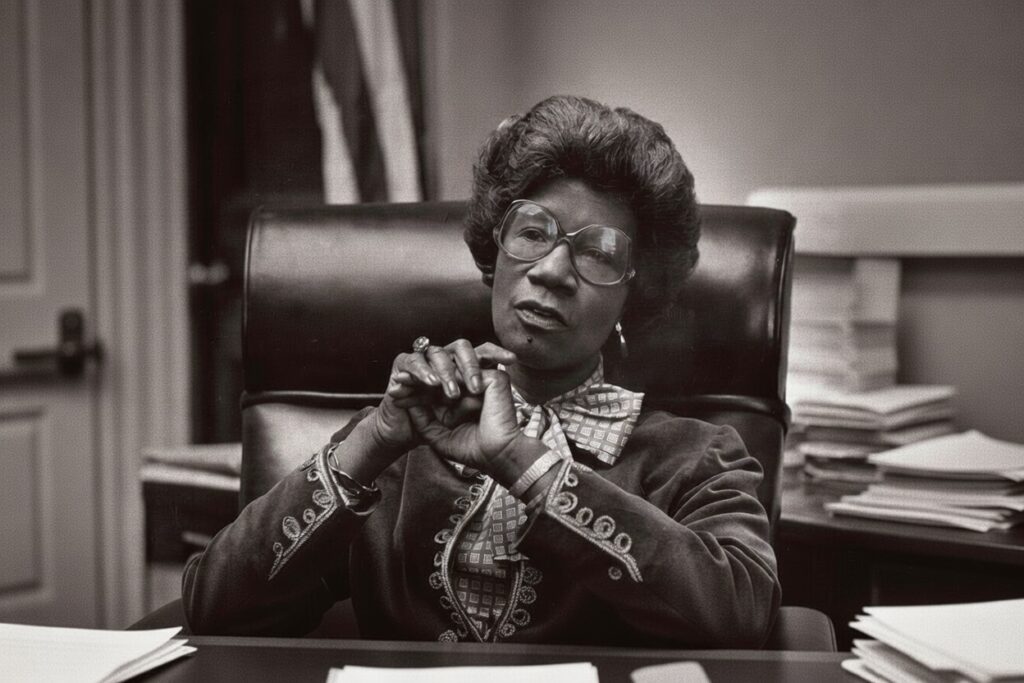
Long before Barack Obama or Kamala Harris, there was Jesse Jackson. His 1984 and 1988 presidential campaigns were not just about winning; they were about possibility
- Expanding the Map: Jackson won 13 primaries and caucuses in 1988, proving a Black man could win in states outside the Deep South.
- The Rainbow Coalition: He brought together Black, Latino, Asian, and working-class White Americans, creating the blueprint for the modern Democratic Party’s “Big Tent.”
[Read also:- How Robert Duvall became a Hollywood great]
2. Transforming Corporate America via the Rainbow PUSH

Jackson understood that authentic freedom extended beyond voting rights because it required citizens to possess financial resources.Through his work with Operation PUSH People United to Save Humanity he brought his activism into corporate board meetings.
- Economic Boycotts: He successfully pressured companies like Coca-Cola and Burger King to hire more Black executives and use Black-owned suppliers.
- Wall Street Project: He opened doors for minority-owned firms to enter the financial world, arguing that “economic justice” is the second half of the Civil Rights movement.
3. The “I Am Somebody” Movement: Cultural Pride
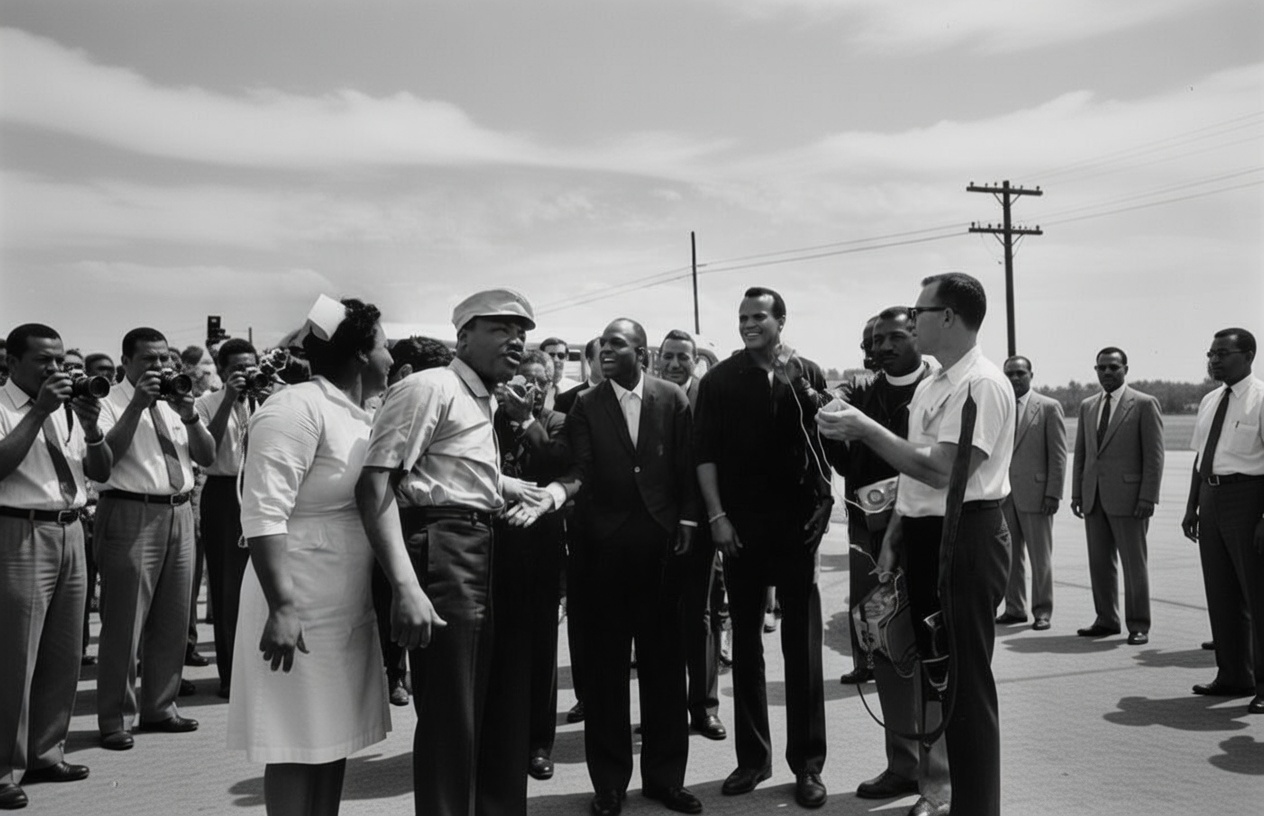
In the early 70s, Jackson’s famous poem/chant, “I Am Somebody,” became a national anthem for self-worth.
- Empowerment: He taught a generation of children in inner cities that their poverty did not define their potential.
- The “African American” Label: In the late 1980s, Jackson was instrumental in shifting the national terminology from “Black” to “African American,” arguing it gave the community “cultural integrity.”
[Read also:- Milano Cortina 2026: Top Best 5 Team USA Athletes to Watch]
[Watch also:- Milano Cortina 2026: Top Best 5 Team USA Athletes to Watch]
4. A Global Diplomat for Human Rights

Jesse Jackson served as an informal Secretary of State for civil rights organizations. His particular “soft power” abilities provided him with capabilities that US government agencies could not match.
- Hostage Negotiations: He successfully negotiated the release of US Navy pilot Robert Goodman from Syria in 1984 and 700 foreign nationals from Iraq in 1990.
- Ending Apartheid: He was a vocal leader in the global movement against South African apartheid, standing shoulder-to-shoulder with Nelson Mandela.
5. Keeping the “Dream” Alive Post-MLK
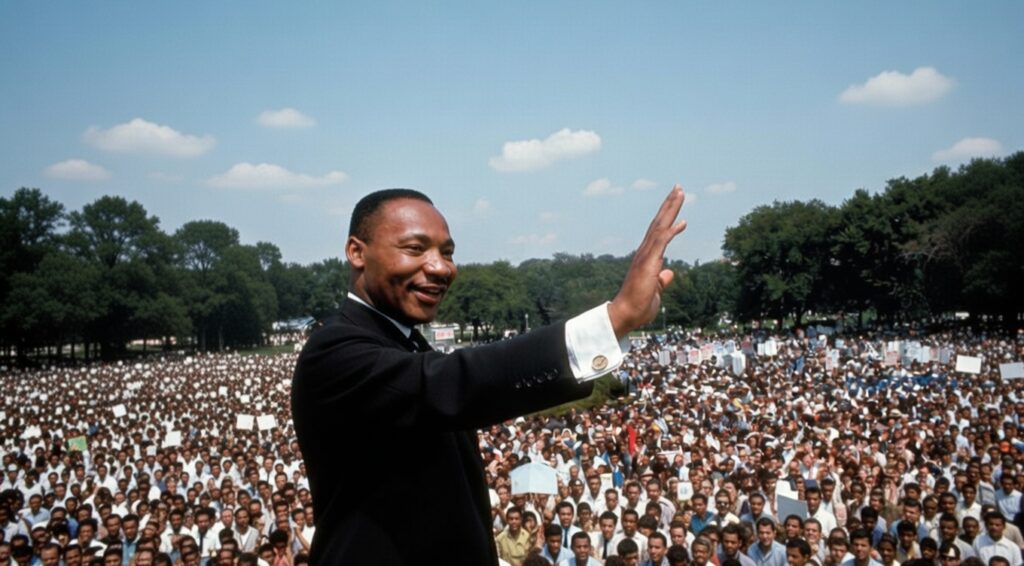
The movement had been rendered impulsive in large part because of Dr. Martin Luther King’s assassination in 1968. Jesse Jackson entered the void.
- The Successor: Though controversial at times, he remained the most visible face of the movement for 50 years.
- Modern Activism: Even in his 80s, despite battling Parkinson’s and Progressive Supranuclear Palsy (PSP), he appeared at the front lines of the George Floyd protests, reminding Americans that the fight for justice is a daily task.
Career Milestones: Reverend Jesse Jackson (1941 – 2026)
| Year | Event / Organization | Significance |
|---|---|---|
| 1966 | Operation Breadbasket | Economic boycotts for Black jobs in Chicago. |
| 1971 | Founded Operation PUSH | Social justice and economic empowerment. |
| 1984 | 1st Presidential Bid | Registered over 1 million new voters. |
| 2000 | Presidential Medal of Freedom | Highest civilian honor given by Bill Clinton. |
| 2023 | Retires from Rainbow PUSH | Passes the torch to a new generation of leaders. |
Impact by Numbers
| Metric | Accomplishment |
|---|---|
| Presidential Votes (1988) | 7 Million+ |
| Hostages Freed | 1,000+ (Collective across Syria, Iraq, Cuba, etc.) |
| Primary Victories (1988) | 13 (States/Territories) |
| Years of Activism | 60+ Years |
Live Tribute Feed: America Reacts to Jesse Jackson’s Death
#RIPJesseJackson: Real-Time Tributes
@BarackObama: “Jesse Jackson was the trailblazer who showed me that the White House was within reach. We stand on his broad shoulders today.”
@BerniceKing: “He was there with my father on that balcony in Memphis. Today, they are reunited. The struggle continues.”
@RainbowPUSH: “Our founder has taken his final rest. We will honor him by ‘Keeping Hope Alive’ every single day.”
@CNN_Politics: “Public memorial service for Rev. Jackson announced for this Friday in Chicago. Thousands expected to attend.”
@UChicago: “Remembering our neighbor and friend. Jesse Jackson’s impact on the South Side changed Chicago forever.”
@CivilRightsFan: “I remember hearing ‘I am Somebody’ in 1971. It changed my life. Rest well, Rev.”
Conclusion: Keeping Hope Alive
Jesse Jackson worked as a preacher because he dedicated his life to discovering new paths. He taught the United States that a “blanket woven from many threads” is stronger than one made of one cloth. His death brings national mourning, but his legacy continues through all diverse boardrooms and all minority-owned businesses and all voters who believe in their power to vote. He fought the good fight, he finished the race, and he kept the faith.
Read also:- How Robert Duvall became a Hollywood great
Table of Contents
FAQs
Q1. When did Jesse Jackson die?
A. Reverend Jesse Jackson passed away on Tuesday morning, February 17, 2026, at his home in Chicago.A.
Q2. What was the cause of Jesse Jackson’s death?
A. While he had been battling Parkinson’s and Progressive Supranuclear Palsy (PSP) for years, his family stated he passed away peacefully of natural causes.
Q3. Did Jesse Jackson ever win the presidency?
A. No, he ran in 1948 and 1988 but never secured the nomination, though he was the most successful Black candidate before Barack Obama.
Q4. What is the Rainbow PUSH Coalition?
A. It is a non-profit organization formed by the merger of Operation PUSH and the National Rainbow Coalition, focused on civil rights and economic justice.
Q5. Where will Jesse Jackson be buried?
A. Official funeral arrangements are pending, but a major public memorial is planned for Chicago, followed by services in his home state of South Carolina.